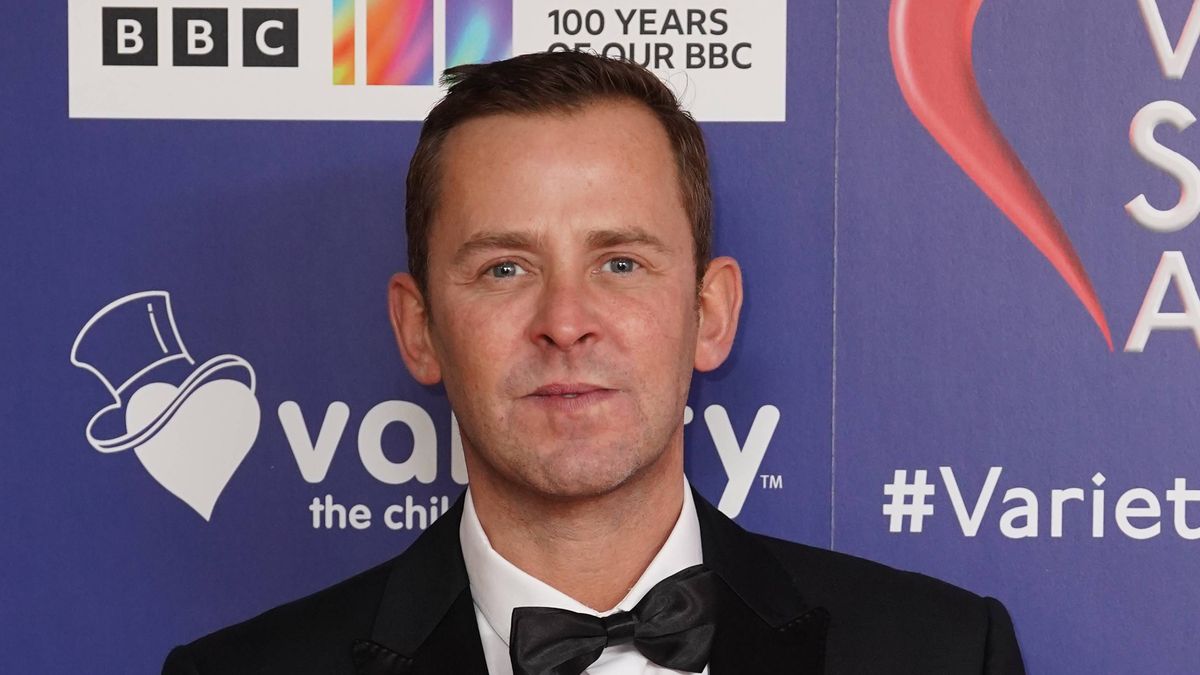
The Abrupt End of an Era: Scott Mills' Legacy and Sudden Departure from BBC Radio 2
The broadcasting world was collectively rocked by the news that legendary presenter Scott Mills had been Scott Mills Sacked by the BBC. The reason cited, "personal conduct," immediately sent ripples of speculation and concern through both industry insiders and millions of loyal listeners. This isn't merely the story of a popular DJ's exit; it's a poignant reflection on the ever-shifting landscape of media, the immense power of public perception, and the inherent fragility of even the most decorated and established careers.
For over two decades, Scott Mills was not just a voice on the radio; he was an institution. From his formative years creating iconic moments on Radio 1 to his highly anticipated, emotionally charged move to the coveted Radio 2 breakfast show, Mills had cemented his status as a household name. His career trajectory, marked by talent and dedication, culminated in what he described as a dream come true. On his first Radio 2 breakfast show, his opening words, "I can’t believe I’m finally saying those words," underscored the profound passion and vulnerability he brought to the microphone. This raw emotion makes the swift, unceremonious end to his tenure all the more jarring.
The suddenness of Mills' departure was striking. News reports, including details from The Mirror, highlighted the surprise even within the BBC. An internal email from Lorna Clarke, the director of music, acknowledged the "shock" this news would cause, adding to the sense of mystery surrounding the "personal conduct" explanation. This vague rationale, while allowing the BBC to maintain discretion, simultaneously fueled public curiosity and left ample room for conjecture about the true nature of the events. It's a stark reminder of how quickly a carefully crafted narrative can unravel, transforming a beloved figure into the subject of intense public scrutiny.
The BBC's Stance: Image, Accountability, and Institutional Pressures
The BBC's official statement regarding Scott Mills' status was notably terse: he was "no longer contracted." This brevity, while standard in such sensitive situations, speaks volumes about the institution's priorities. From an outsider's perspective, it appears to be a classic case of an organization moving decisively to protect its image, even at the cost of a long-standing individual talent.
The corporation has faced significant challenges in recent years, grappling with intense scrutiny over issues ranging from impartiality and political bias to debates about its funding model and overall relevance in a rapidly evolving digital media landscape. In this context, another high-profile scandal would be deeply damaging. By swiftly cutting ties with Mills, the BBC sends a clear, unambiguous message: allegations of personal conduct are taken seriously, and the institution is prepared to act decisively to safeguard its reputation. This firm stance can be interpreted in a dual light:
- Genuine Commitment to Accountability: It signals a robust internal policy against certain behaviours, aiming to uphold ethical standards for its public figures.
- Strategic PR Move: It's a calculated effort to mitigate further reputational damage and avoid protracted public debate that could erode trust and funding.
It's likely a complex blend of both. In the cutthroat world of public broadcasting, particularly for an organization as perennially scrutinized as the BBC, maintaining public trust is paramount. The absence of specific details regarding the "personal conduct" allows the BBC to control the narrative to some extent, preventing potential fallout from explicit disclosures while still demonstrating a firm hand.
Fame's Fragility: When Personal Conduct Collides with Public Scrutiny
Scott Mills' journey from relative obscurity to a towering figure in British radio is a testament to his talent and hard work. Yet, his abrupt downfall serves as a potent cautionary tale about the double-edged sword of fame. The very spotlight that elevates individuals to celebrity status also magnifies their every action, making personal conduct a critical factor in the longevity of their careers.
In today's hyper-connected world, fueled by social media and an insatiable appetite for news, public figures operate under unprecedented levels of scrutiny. Allegations of personal misconduct, regardless of their specific nature or verification status, can rapidly unravel years of dedication and achievement. This phenomenon is closely tied to the broader cultural shifts seen in recent years, where "cancel culture" and heightened demands for accountability have transformed how society evaluates and responds to transgressions by those in the public eye. For a deeper dive into how such events reshape celebrity careers, consider our related piece: Scott Mills Sacking: Fame, Conduct, and the Fragility of Media Careers.
The human cost of this saga is palpable. Mills’ emotional opening on Radio 2 was a glimpse into his personal investment in his career. To have that dream shattered so suddenly due to unspecified "personal conduct" is a stark reminder that even at the pinnacle of success, no one is truly immune to the unforeseen consequences of actions or allegations. Public figures, more than ever, are never truly in control of their own narratives once they become subjects of media speculation.
Navigating the Modern Media Landscape: Lessons for Public Figures and Institutions
The "Scott Mills Sacked" story transcends the individual and the broadcaster; it's emblematic of a larger, ongoing trend in media and public life. Institutions are under immense pressure to demonstrate ethical leadership and accountability, while individuals in the public eye must navigate an increasingly unforgiving environment.
For individuals aspiring to or currently holding prominent public roles, this incident offers several critical lessons:
- Perception is Reality: Regardless of personal truth, public perception can dictate professional fate.
- Boundaries are Crucial: The line between public and private life has blurred. What one considers private conduct can quickly become public scrutiny.
- Reputation Management is Essential: Proactive management of one's public image and adherence to ethical guidelines, both professional and personal, are non-negotiable.
- Vulnerability of Social Media: Every online interaction, comment, or past post can be scrutinized and weaponized.
For media organizations like the BBC, the incident underscores the critical importance of:
- Clear Conduct Policies: Having robust, transparent, and consistently enforced policies regarding personal conduct for all employees, especially those in high-profile roles.
- Crisis Communication Strategies: Developing sophisticated plans for managing high-profile exits and allegations to protect both the institution and, where appropriate, the individuals involved.
- Balancing Talent with Ethics: Striking a delicate balance between retaining valuable talent and upholding the ethical standards expected by the public.
A Broader Industry Shift: The End of an Era, The Start of New Standards?
The abrupt departure of Scott Mills isn't just the end of a personal dream or a radio era; it's a stark illustration of how the modern media landscape is reshaping the careers of even its most established figures. In an age where accountability and ethical conduct are paramount, the line between personal and professional life for public figures has all but vanished. The "Scott Mills Sacked" narrative serves as a potent reminder that talent alone is no longer sufficient; an impeccable public and private image are increasingly critical for survival in the unforgiving spotlight.
This incident prompts a broader reflection on the responsibilities of both media personalities and the powerful institutions they represent. As audiences demand greater transparency and integrity, broadcasters like the BBC are compelled to respond decisively to allegations of misconduct, prioritizing their brand's moral standing. Ultimately, while the full details of Mills' exit may remain shrouded in mystery, its impact is clear: it marks a significant moment in the ongoing evolution of media ethics, accountability, and the ever-fragile nature of fame.