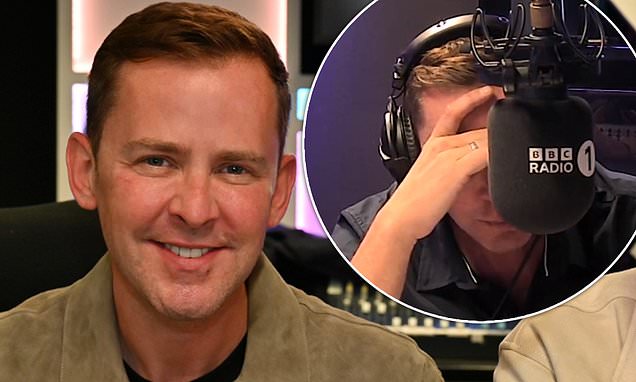
The Abrupt End of an Enduring Era: When Scott Mills Was Sacked
The broadcasting world was rocked by the news that Scott Mills was sacked by the BBC. A fixture in British radio for over two decades, Mills' departure, attributed to "personal conduct" allegations, sent shockwaves far beyond the airwaves. This isn't merely the story of a popular presenter's downfall; it's a poignant reflection on the shifting sands of media careers, the unforgiving gaze of public perception, and the delicate balance public figures must maintain.
Scott Mills, at 53, had built an illustrious career marked by a clear trajectory from his early days on Radio 1 to his highly anticipated move to the prestigious Radio 2 breakfast show. For millions of listeners, his voice was a comforting constant, a soundtrack to their mornings and commutes. His emotional opening words on Radio 2 – “I can’t believe I’m finally saying those words” – underscored the culmination of a lifelong dream. To see such a career abruptly curtailed by a terse statement from the BBC announcing he was "no longer contracted" is a stark reminder of how quickly narratives can change. The shock was palpable, not just among his loyal fanbase but also within the BBC itself, as highlighted by an internal email from Lorna Clarke, the director of music, acknowledging the unexpected nature of the decision. This sudden shift from cherished institution to unexpected exit left many questioning the true nature of events.
The Unseen Costs of Fame: Conduct, Scrutiny, and Career Longevity
Mills' journey from obscurity to national stardom was a testament to his talent, dedication, and relatable persona. Yet, this very fame, a double-edged sword, also meant his every move was under intense scrutiny. In today's hyper-connected world, the line between a public figure's professional and personal life has all but dissolved. What might have once been a private matter can now unravel years of hard work in an instant, proving that public figures are rarely truly in control of their own narratives.
The vague nature of the "personal conduct" allegations surrounding the Scott Mills Sacked: Unraveling the BBC's 'Personal Conduct' Mystery incident only amplified the speculation and public discourse. While the specifics remain undisclosed, likely for legal and privacy reasons, the mere accusation was enough for one of the world's most prominent broadcasters to take decisive action. This underscores a crucial point for anyone in the public eye: reputation management extends far beyond on-air performance. Personal integrity, digital footprint, and off-duty behavior are now integral components of one's professional brand.
Practical Tips for Navigating Public Scrutiny:
- Cultivate a Strong Moral Compass: Understand that public figures are often held to higher ethical standards, whether they seek that role or not.
- Mind Your Digital Footprint: Every tweet, post, or photo can be scrutinized, resurfaced, and recontextualized. Assume everything you put online is permanent and public.
- Professional Boundaries: Maintain clear boundaries between personal relationships and professional interactions, especially in roles of influence or power.
- Seek Counsel: In situations of potential risk or controversy, professional legal and PR advice can be invaluable.
Navigating Institutional Pressures: The BBC's Response to the Scott Mills Sacking
The BBC's swift and terse statement – "Mills is no longer contracted" – is a classic example of an institution prioritizing its image and reputation above individual talent, no matter how celebrated. This isn't a new phenomenon for the BBC, an institution that has faced intense scrutiny in recent years over impartiality, funding debates, and its relevance in the digital age. By cutting ties with Mills so decisively, the broadcaster is sending a clear message: allegations of personal conduct are taken seriously, and the institution is prepared to act.
One might ask: is this a genuine commitment to accountability, or a strategic public relations move to prevent further damage? Realistically, it's likely a complex blend of both. The BBC, with its public funding and prominent global standing, cannot afford another scandal that could further erode public trust or invite political interference. The decision regarding why BBC's Scott Mills Sacking: Image, Accountability, and the End of a Radio Era occurred reflects an organization under immense pressure to uphold its perceived ethical standards, particularly in an era where "cancel culture" and demands for transparency are ever-present.
The Institutional Dilemma:
Institutions like the BBC face a delicate balance when responding to such allegations:
- Protecting Brand Integrity: They must act to preserve their public image and the trust of their audience.
- Duty of Care: They also have a responsibility to their employees, which can conflict with the need for swift, decisive public action.
- Legal Ramifications: Any public statement or action must be carefully weighed against potential legal challenges.
- Setting Precedents: How they handle one case can set expectations for future incidents.
This incident highlights the tightrope walked by modern media organizations. They must be seen to be ethical, accountable, and responsive, often at the expense of long-standing relationships with talent.
Beyond the Headlines: Broader Implications for Media Careers
The story of Scott Mills sacked by the BBC is not an isolated incident; it's part of a larger, evolving trend in the media landscape. In an era dominated by social media, instant news cycles, and intense demands for accountability, public figures are under unprecedented pressure. This incident serves as a sobering cautionary tale for anyone in the public eye, from seasoned broadcasters to aspiring influencers.
The human cost of such sagas is significant. For Mills, this wasn't just a job; it was a deeply personal passion, a dream realized, only to be abruptly interrupted. His rise was inspiring, a testament to ambition and achievement, but his fall underscores a critical lesson: no matter how high one climbs, personal conduct, perceived or actual, can bring a career crashing down. It reinforces the idea that true success in public-facing roles now demands not only talent but also an unwavering commitment to conduct that aligns with public and institutional expectations, both on and off the clock.
Lessons for Aspiring Media Professionals:
- Reputation is Paramount: Your reputation is your most valuable asset. Protect it fiercely.
- Constant Vigilance: Understand that every interaction, public or private, carries potential implications for your career.
- Adaptability and Resilience: The media landscape is constantly changing, and careers can be fragile. Develop the ability to adapt and bounce back from setbacks.
- Ethical Conduct is Non-Negotiable: Talent can open doors, but ethical conduct keeps them open.
The Scott Mills sacking serves as a powerful microcosm of the complexities within modern media. It's a narrative that intertwines individual ambition with institutional imperatives, the power of fame with the vulnerability of public figures, and the relentless march towards greater accountability. While the specifics of Mills' situation remain private, the overarching themes resonate deeply, reminding us all of the fragility inherent in even the most established careers and the profound impact of conduct in the digital age.