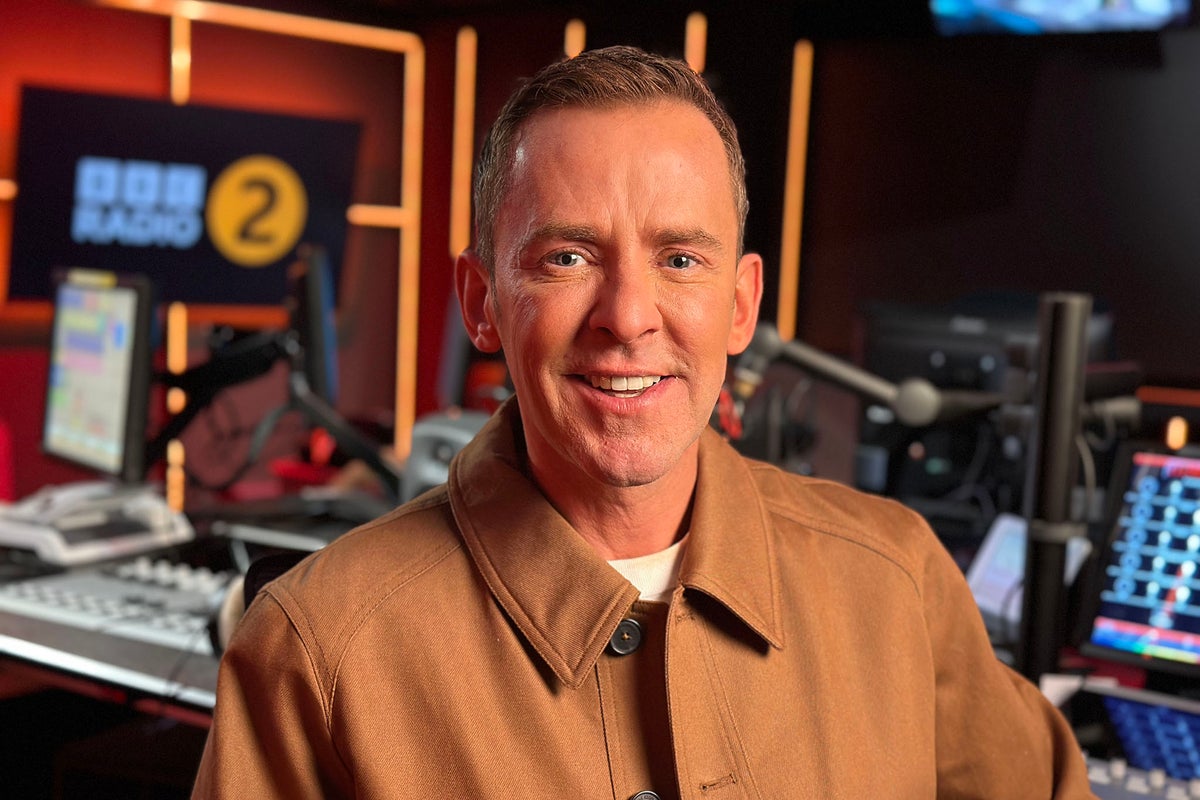
The broadcasting world was rocked by news of Scott Mills' sudden departure from the BBC, specifically from his coveted role on the Radio 2 breakfast show. The official reason cited for this unexpected exit? 'Personal conduct.' This terse explanation immediately ignited a firestorm of speculation, leaving many to wonder about the true nature of the events that led to the seemingly unceremonious end of a celebrated two-decade career. The story of Scott Mills’ sacking is more than just a headline; it’s a compelling case study on the shifting sands of media, the immense power of public perception, and the inherent fragility of even the most established careers in the digital age.
The Sudden Departure: What We Know (and Don't Know)
The news broke with a quiet but impactful announcement from Gary Davies, who stepped in to cover Mills' usual slot on Radio 2. What followed was a swift confirmation across various media outlets, including a report by The Mirror, solidifying the shocking development. Internally, staff received an email from Lorna Clarke, the BBC's Director of Music, acknowledging the "shock" the decision would cause to both colleagues and the millions of loyal listeners. At the heart of this unfolding drama lies the enigmatic phrase 'personal conduct,' a term that, while providing an official reason, offers little in the way of specific details, fostering an environment ripe for conjecture.
Scott Mills, at 53, was not merely another voice on the radio; he was a broadcasting institution. His career, spanning over 25 years with the BBC, had seen him rise from a fresh voice on Radio 1 to the pinnacle of British radio, hosting the flagship breakfast show on Radio 2. This trajectory makes his sudden exit, particularly under such vague circumstances, all the more perplexing. The lack of transparency surrounding the 'personal conduct' allegations leaves a significant void, forcing the public and industry insiders alike to grapple with theories and possibilities without concrete information.
This situation highlights a common challenge faced by public figures and the institutions they represent: how to balance the need for privacy with public interest. While the BBC is obligated to protect sensitive information, the ambiguity surrounding Scott Mills' sacking invariably leads to a more intense public discussion and scrutiny than a clearer, albeit still difficult, explanation might have.
A Legacy Under Scrutiny: Scott Mills' BBC Journey
For over two decades, Scott Mills was a household name, synonymous with British radio. His journey from the vibrant, youth-centric airwaves of Radio 1, where he carved out a significant niche with his playful persona and engaging interviews, to his highly anticipated move to the more mature audience of Radio 2, exemplified a career built on talent, dedication, and a unique connection with his listeners. His opening words on the Radio 2 breakfast show – "I can’t believe I’m finally saying those words" – were a testament to his ambition and the realization of a long-held dream, revealing the passion and vulnerability behind the microphone.
Mills’ rise to stardom was inspirational, showcasing the rewards of persistence and a genuine love for broadcasting. However, his abrupt fall serves as a sobering reminder of the fragility of media careers, even for those at the top. In today's hyper-connected world, the spotlight on public figures is relentless. Every move, every past action, and every association can be scrutinized, and allegations of personal conduct, no matter how vague, can unravel years of hard work in an instant. This phenomenon underscores the critical importance of not only professional excellence but also impeccable personal integrity in the public eye.
His story, therefore, becomes a poignant reflection on the double-edged sword of fame. While it granted him a platform to connect with millions and achieve his dreams, it also subjected his life to an unparalleled level of observation, where one misstep, or even an allegation, can dramatically alter the narrative of an entire career.
The BBC's Stance: Image, Accountability, or Both?
The BBC's statement regarding Scott Mills’ departure was notably brief and to the point: he is "no longer contracted." This concise declaration, while legally sound, offers little comfort to those seeking understanding and raises fundamental questions about the institution's approach to such sensitive matters. From an external perspective, this swift action appears to be a classic example of a major institution prioritizing its public image and brand integrity above all else, especially when faced with potential controversy.
It's crucial to view this incident within the broader context of the BBC's recent history. The corporation has been under intense scrutiny in recent years, facing challenges ranging from debates over impartiality and its role in a diverse media landscape to questions about its funding model and relevance in the digital age. Amidst these ongoing pressures, the BBC can ill-afford another public scandal that could further erode public trust or provide ammunition for its critics.
By promptly cutting ties with Mills, the broadcaster sends a clear message: that it takes allegations of personal conduct seriously and is committed to upholding certain standards. However, this raises a deeper question: is this a genuine commitment to accountability, or is it primarily a strategic public relations move designed to mitigate potential damage and protect its already embattled reputation? While it could certainly be a combination of both, the swiftness and lack of detailed explanation leave room for speculation about whether Mills' 25-year contribution deserved a more nuanced resolution. This approach is a key aspect explored in BBC's Scott Mills Sacking: Image, Accountability, and the End of a Radio Era, highlighting the complexities faced by large institutions.
Navigating Public Scrutiny: Lessons for Public Figures
The Scott Mills saga serves as a compelling case study for anyone in the public eye. In an era where "cancel culture" and demands for accountability are prominent, the incident underscores several critical lessons:
- Constant Scrutiny: Public figures operate under an unprecedented level of surveillance, both professional and personal. What might once have been private transgressions are now potentially public information in an instant.
- Fragility of Reputation: Years of positive contributions can be overshadowed or even dismantled by a single allegation, regardless of its ultimate veracity or specific details. Reputations are built slowly but can be destroyed rapidly.
- The Power of Narrative Control: While public figures strive to control their own narratives, external forces – media, public opinion, and institutional responses – often dictate the prevailing story.
- The Importance of Personal Conduct: Beyond legal ramifications, ethical and moral conduct is increasingly paramount. Perceived breaches of conduct can have significant, career-ending consequences.
For aspiring broadcasters and established celebrities alike, this incident is a stark reminder that talent and hard work, while essential, are not always sufficient to safeguard a career in an environment that demands constant vigilance over one's personal and professional life.
Beyond the Headlines: The Human Cost and Broader Implications
While the headlines focus on the 'sacking' and the BBC's actions, it's vital to acknowledge the profound human cost of this saga. For Scott Mills, his role at the BBC was more than just a job; it was the realization of a dream, a platform through which he connected with millions, sharing joy and building community. The emotional intensity of his arrival at Radio 2, a moment he openly expressed as a pinnacle of his career, stands in stark contrast to the abrupt and mysterious nature of his exit. This human element reminds us that behind every major institutional decision and every public controversy, there are individuals whose lives are irrevocably altered.
The incident also fits into a larger societal trend. In an age dominated by social media and an insatiable appetite for immediate information, institutions are under immense pressure to react swiftly to allegations, often before a full investigation can conclude or details become clear. This pressure, coupled with the rapid spread of information (and misinformation), creates a challenging environment for both the accused and the accuser, as well as the organizations caught in the middle.
Ultimately, Scott Mills' departure from the BBC is a multifaceted story that resonates far beyond the confines of radio broadcasting. It’s a cautionary tale about ambition, achievement, and fallibility, demonstrating that no matter how high one climbs, personal conduct can bring one crashing down. It underscores the profound responsibility that comes with public life and the unforgiving nature of a media landscape that increasingly demands not just talent, but an unblemished personal record. The full truth of what transpired may remain shrouded in mystery, but the lessons it offers about fame, reputation, and accountability are undeniably clear.